01
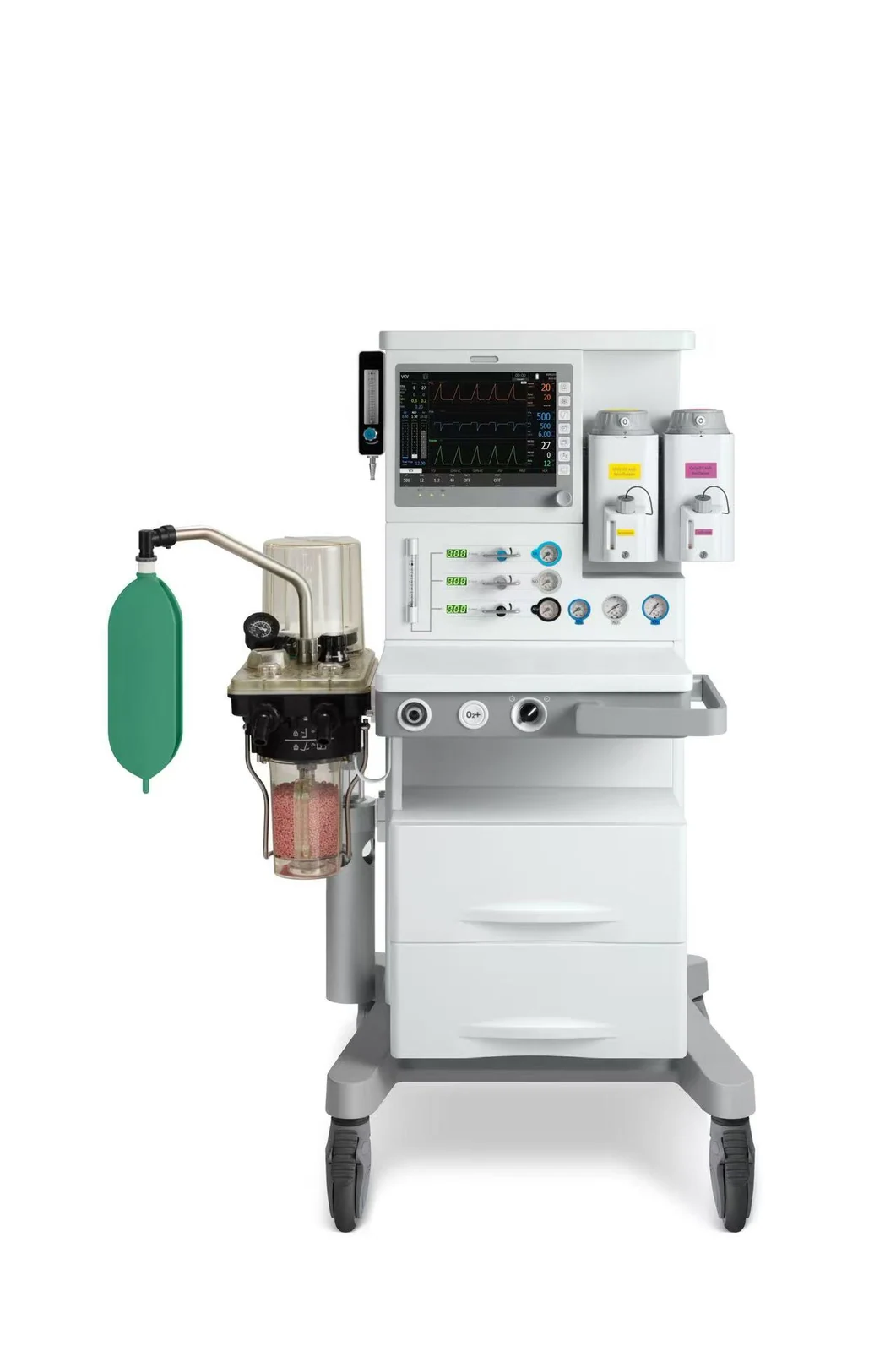
Veterinary Anesthesia Machine
MS-AM5 combines a stable technology platform with ventilation, gas delivery and gas monitoring for varied veterinary clinical needs.
01 · Banner
Mevidon helps veterinary clinics, emergency hospitals, and distributors source veterinary ICU equipment.
02 · Product Details
03 · Product Descriptions
Veterinary ICU equipment supports the observation and care of animals requiring close clinical attention. A suitable setup may include a veterinary ICU cage, oxygen supply, patient monitor, infusion pump, syringe pump and warming equipment. Hospitals providing mechanical ventilation need additional equipment selected for that purpose.
Mevidon helps buyers evaluate these components together, so purchasing plans account for accessories, installation requirements, staff access and ongoing maintenance. Documentation such as CE or FDA-related records is confirmed for the selected model and destination market. OEM and ODM customization can also be discussed for suitable projects.
With more than 15 years of export experience and international project delivery to buyers in over 100 countries, Mevidon coordinates equipment selection, documentation and shipment for veterinary ICU projects.
Send an Inquiry →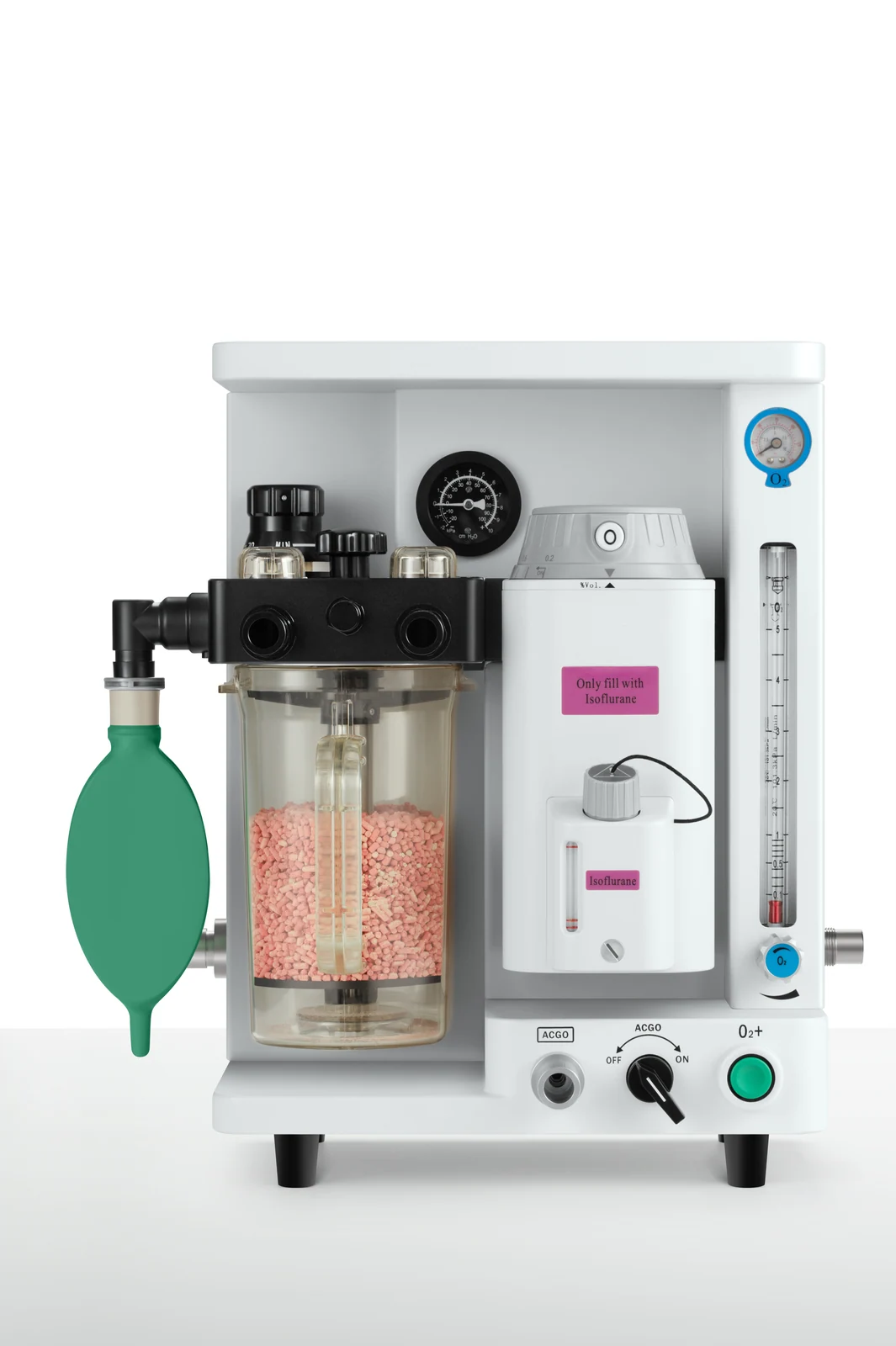
04 · Veterinary ICU Equipment by Features
Choose the equipment family that matches your intensive-care, recovery, monitoring or oxygen-support workflow.
MS-AM5 combines a stable technology platform with ventilation, gas delivery and gas monitoring for varied veterinary clinical needs.
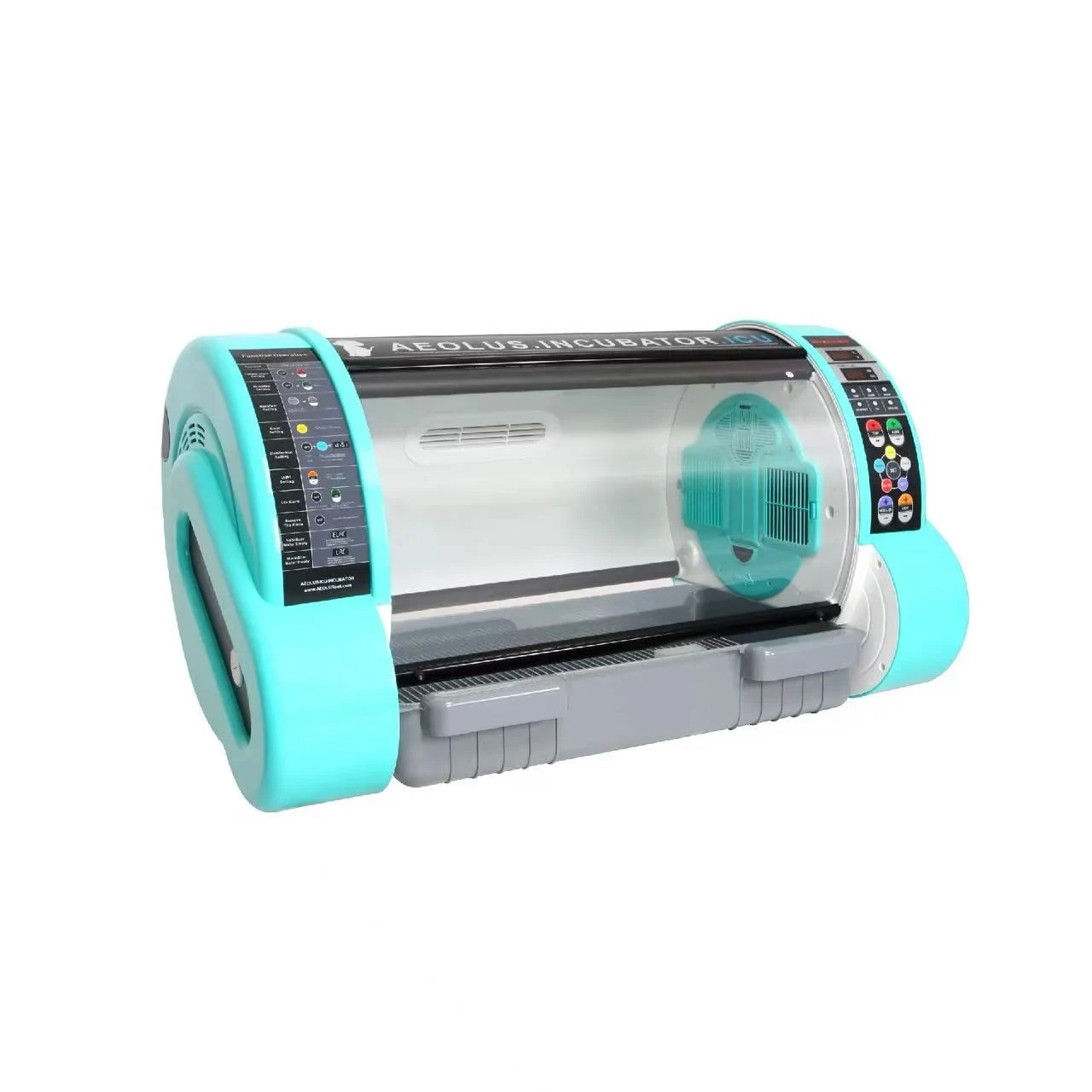
Accurate temperature and humidity control helps provide a balanced environment while reducing hot spots inside the incubator.
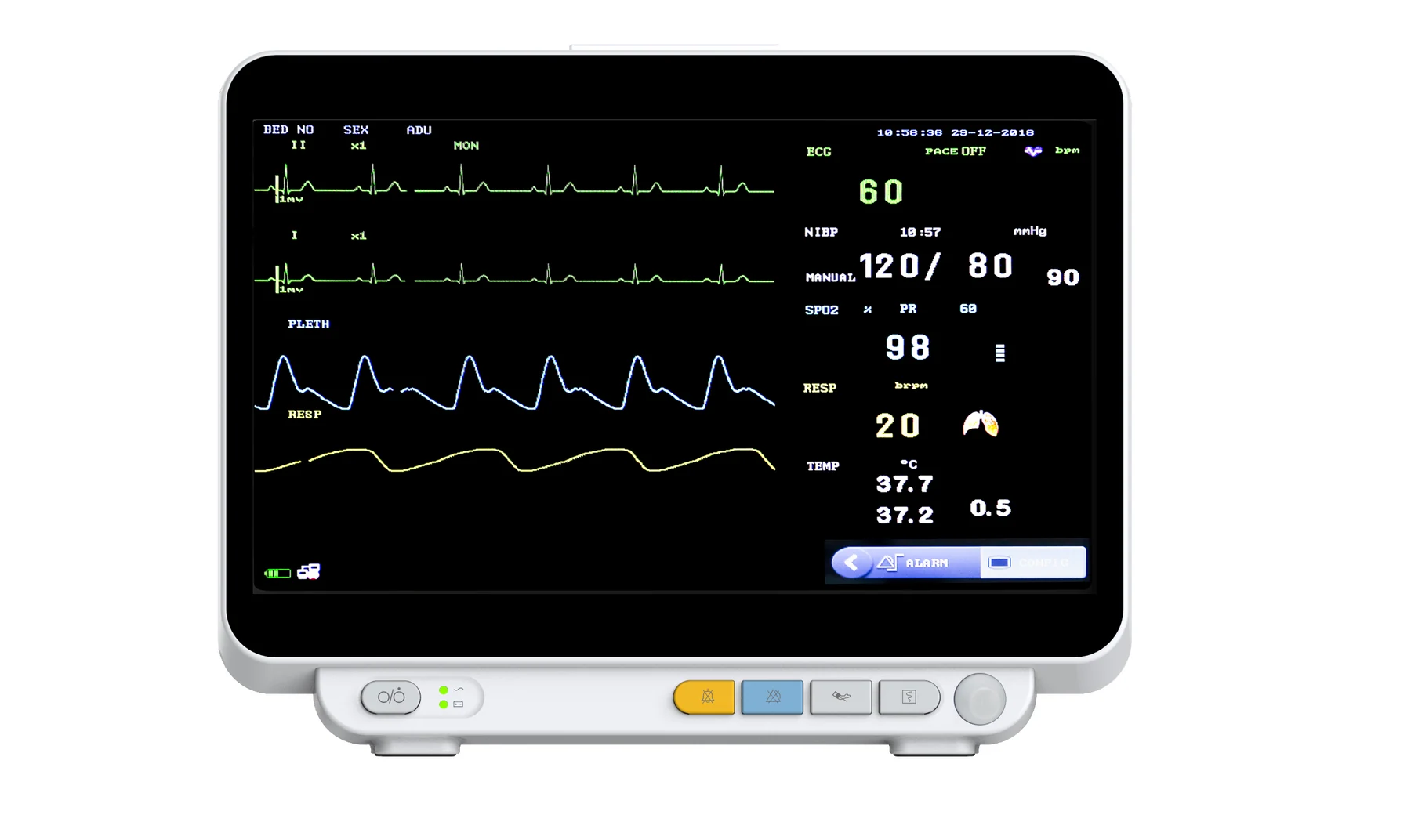
A 14-inch TFT LCD platform with core parameters including NIBP, SpO2, pulse rate, heart rate, respiration rate and temperature.
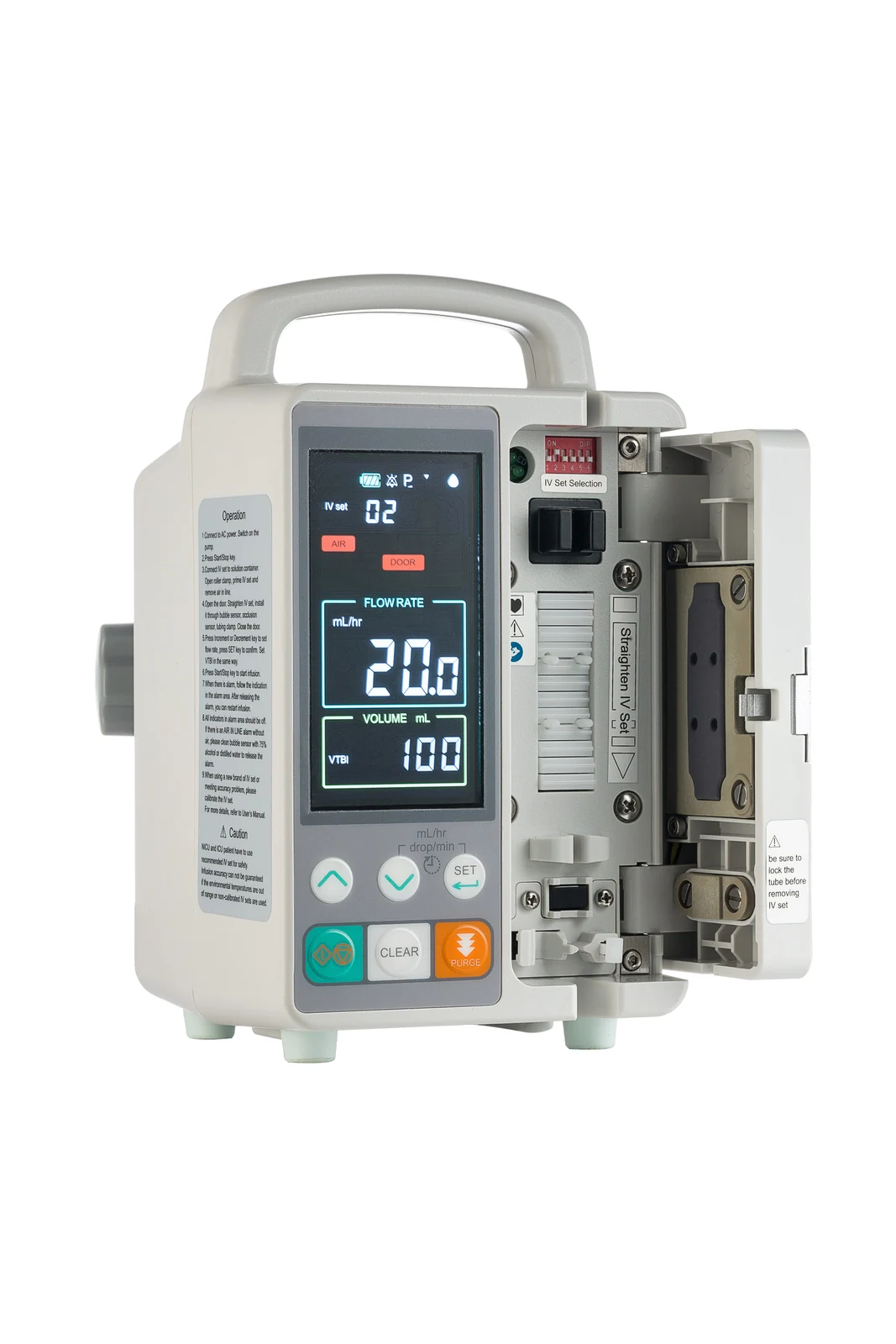
Visible alarm prompts cover occlusion, air in line, door open, program completion, low battery, AC power loss and system faults.
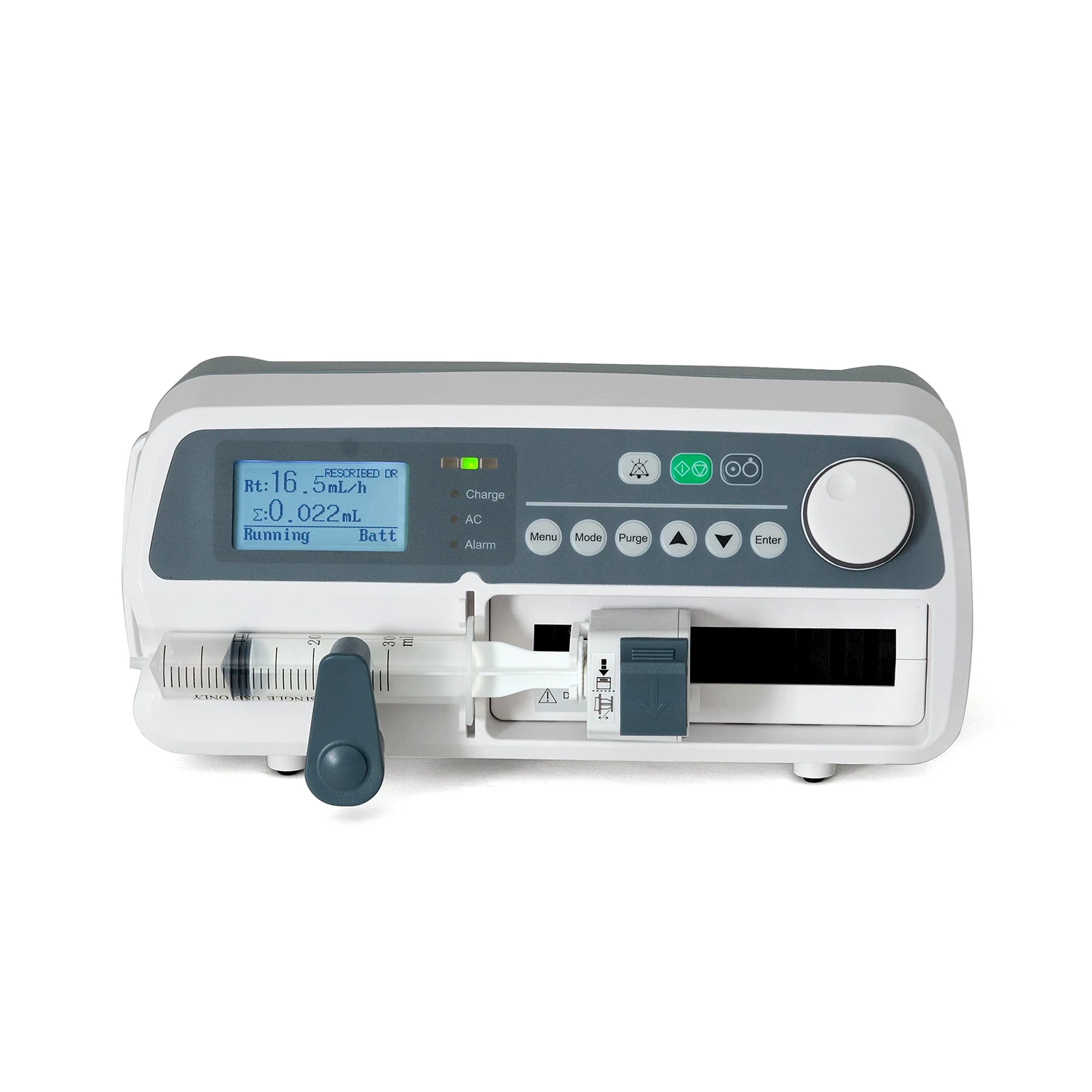
Automatic syringe-size detection, anti-bolus control and calibration support precise low-flow medication delivery.
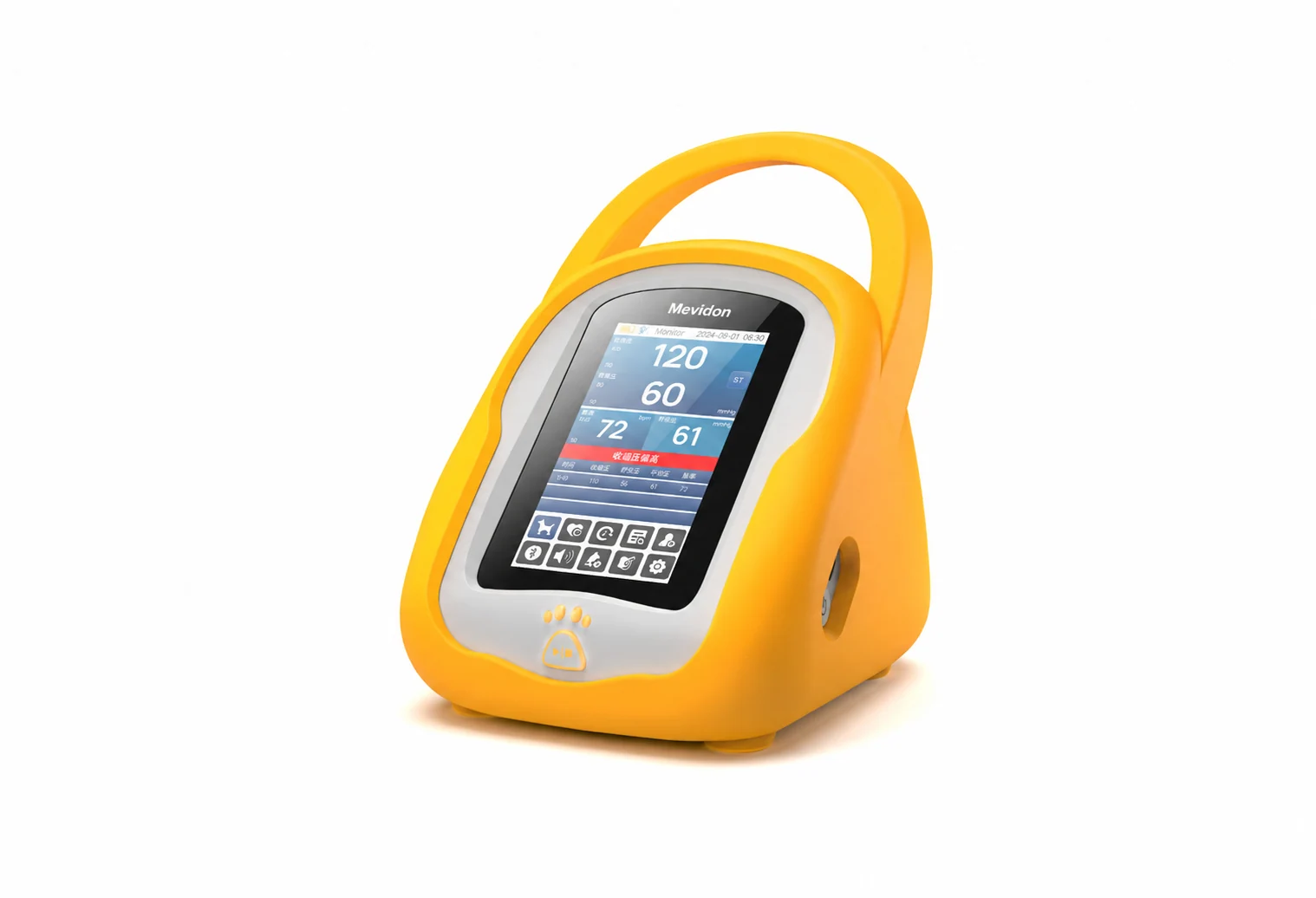
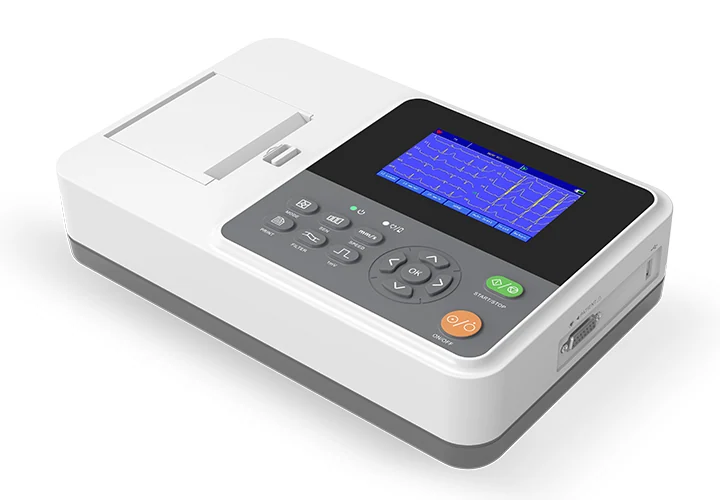
A 5-inch color touchscreen presents systolic, diastolic and mean blood pressure together with pulse measurements.
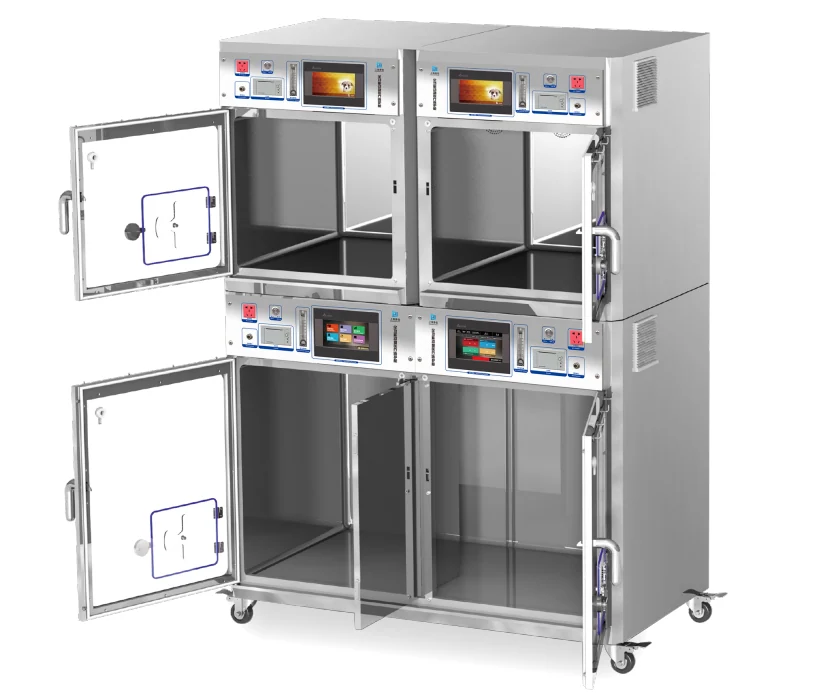
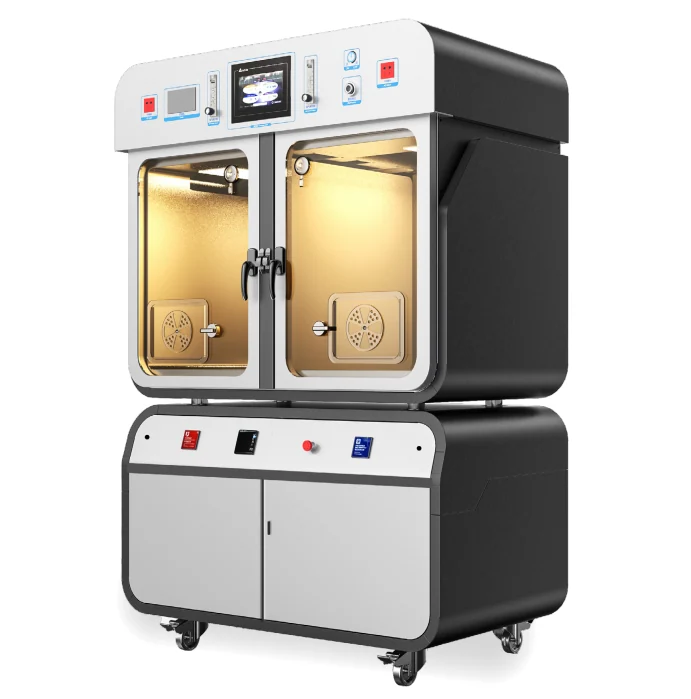
A double-layer, four-cabin ICU cage provides independently managed spaces for multi-patient veterinary care.
05 · Oxygen-Cage Advantages
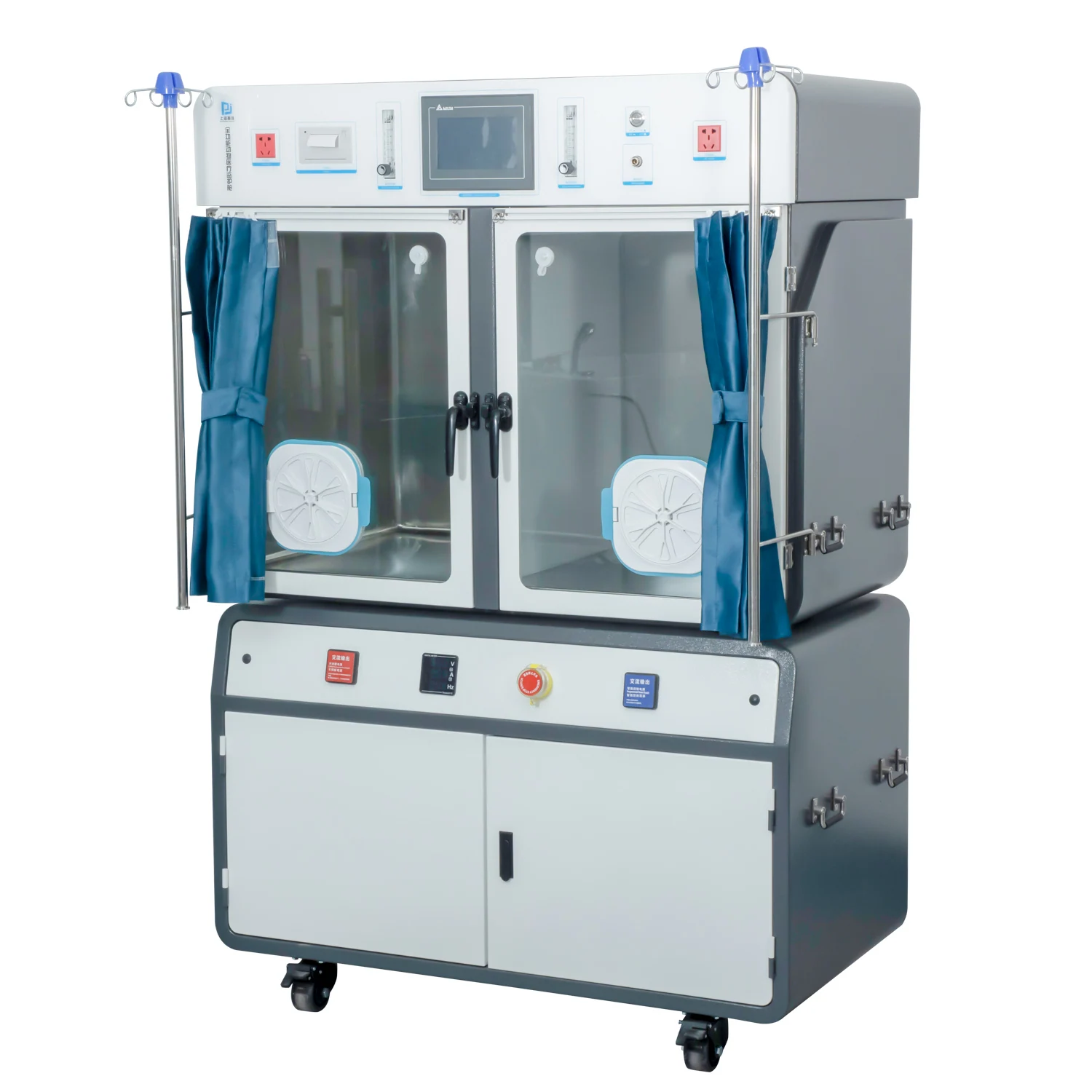
Mevidon veterinary oxygen-cage configurations provide a monitored oxygen-rich environment for animals requiring supplemental oxygen and are especially useful in newborn and small-animal care. Depending on the selected model, the chamber can also manage temperature, humidity and ventilation, with heating and cooling functions available for different patient needs.
06 · Company Advantages
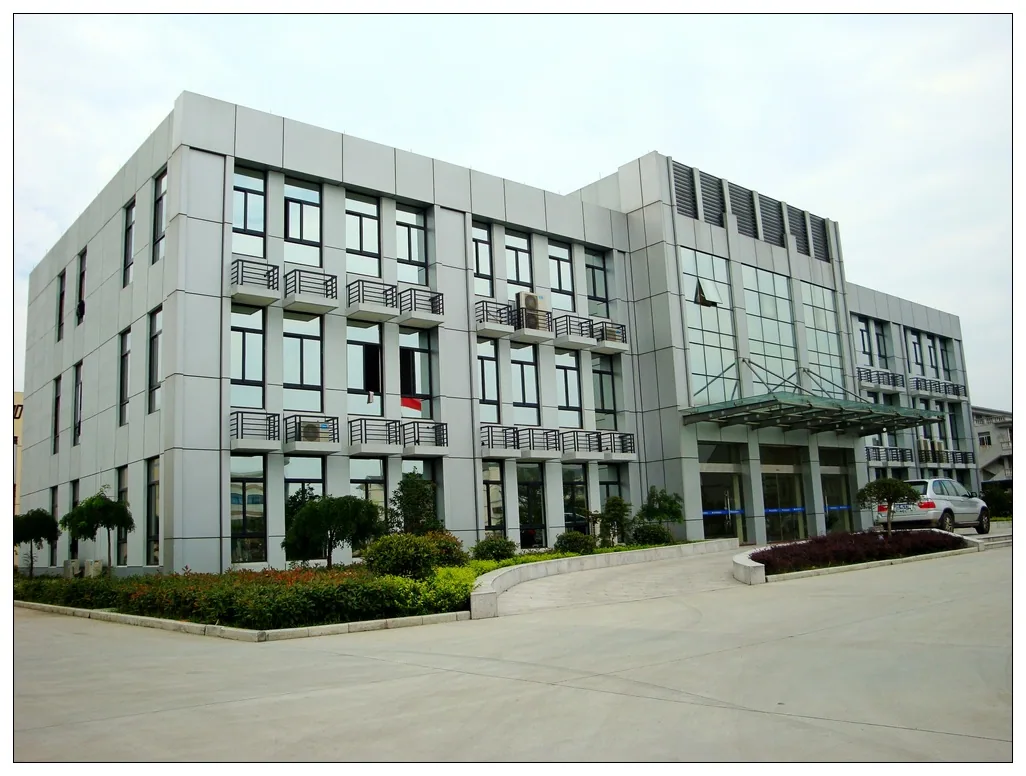
Our one-stop animal medical solutions meet different customer needs.
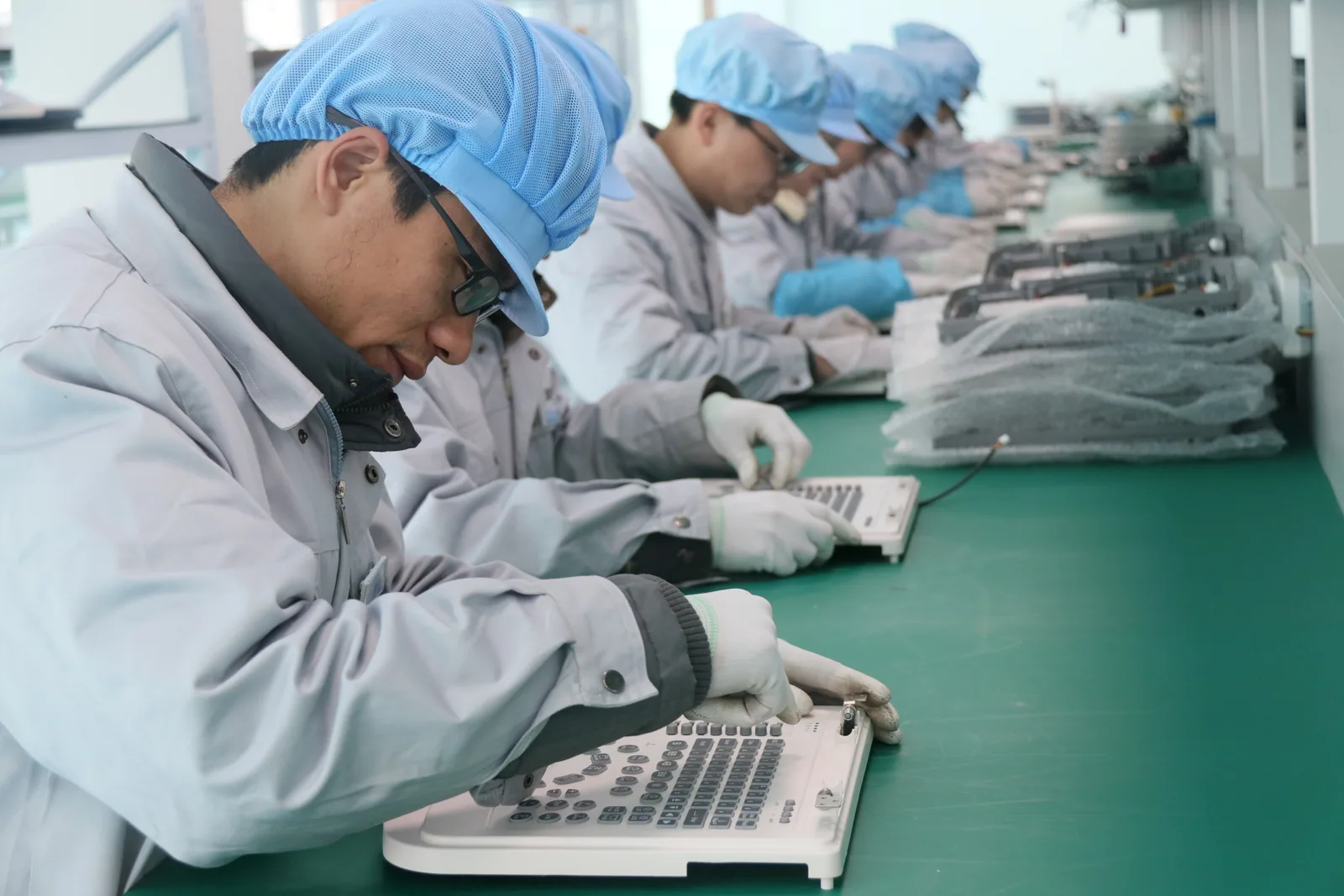
We have a strict quality-control system from procurement and production through outbound inspection.
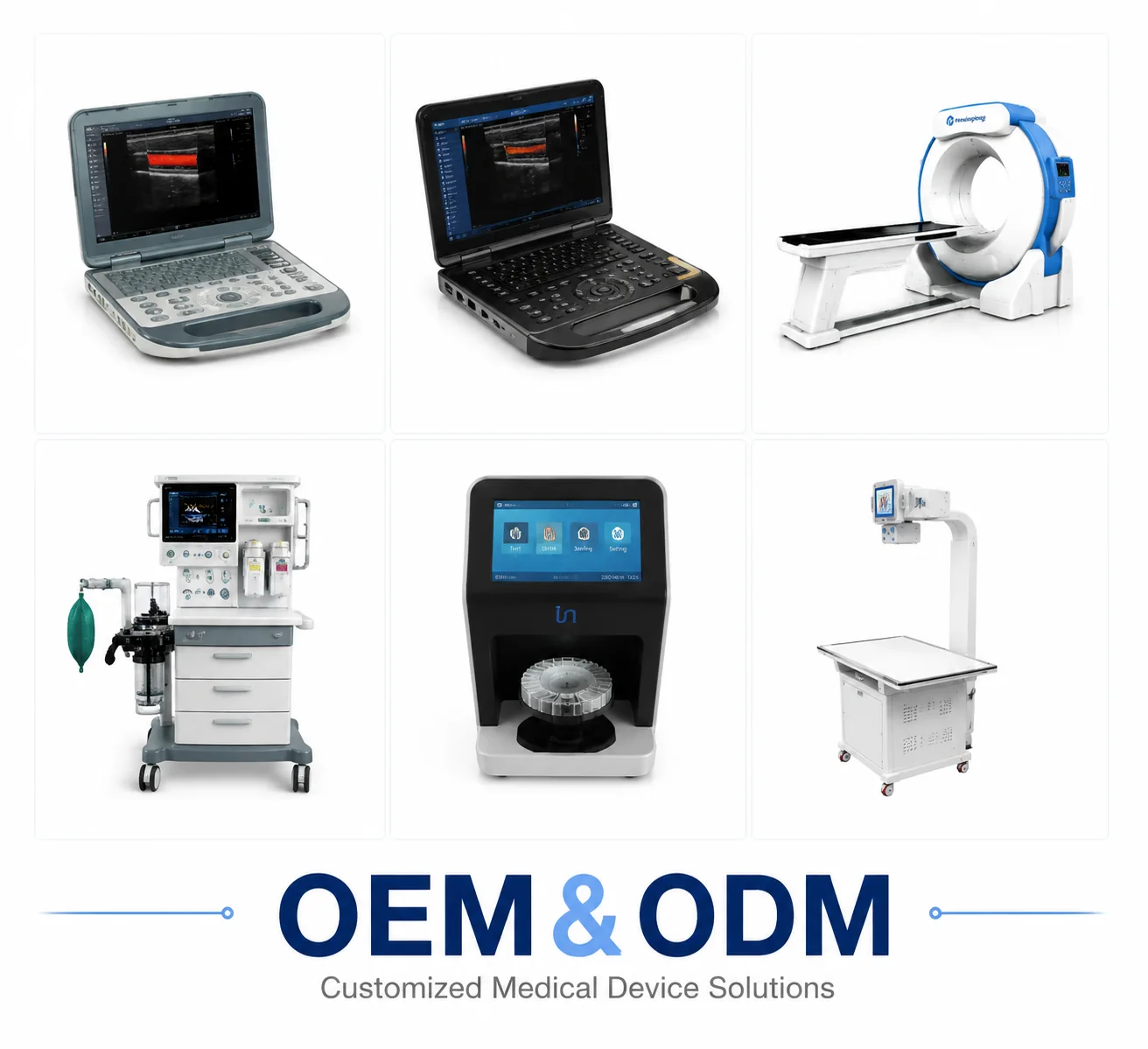
We provide customized OEM and ODM services to design and produce products according to your needs.

More than 1,000 users from pet hospitals and farms choose our veterinary ultrasound machines.
07 · Why Choose Us?

Mevidon has supplied medical and veterinary equipment solutions worldwide. Our customers come from Europe, South America, Latin America, the Middle East, and other regions.

We have rich export experience and are familiar with customs declaration and clearance processes. Professional packaging and complete supply-chain support help us deliver quickly.
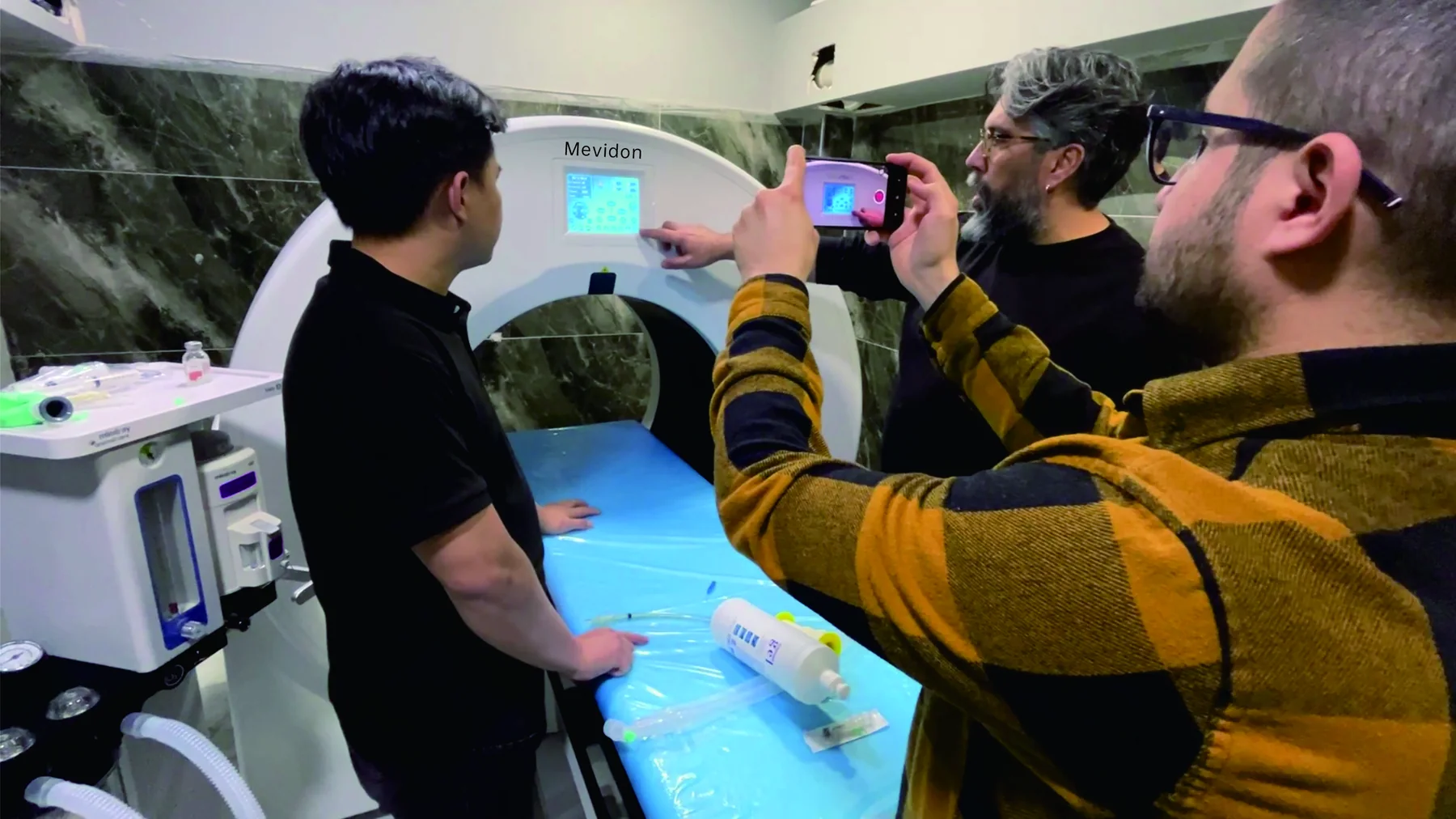
Mevidon provides professional technical training, remote support, operational guidance, online upgrades, and a response within 24 hours.
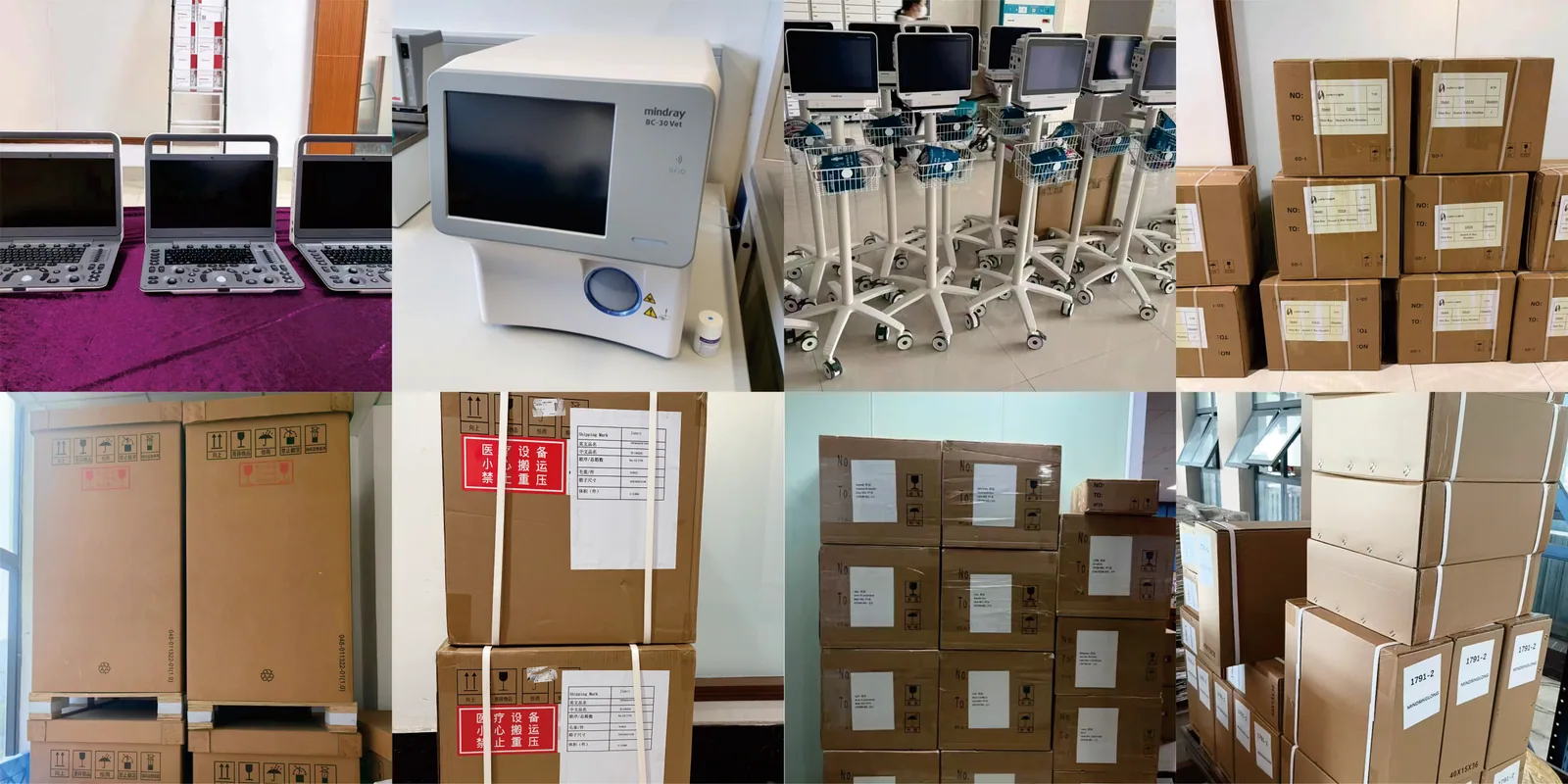
Our animal medical equipment is exported worldwide, and more and more customers choose to cooperate with us.
08 · Clinical Applications
Examples of oxygen support, neonatal care and controlled infusion in veterinary hospitals.
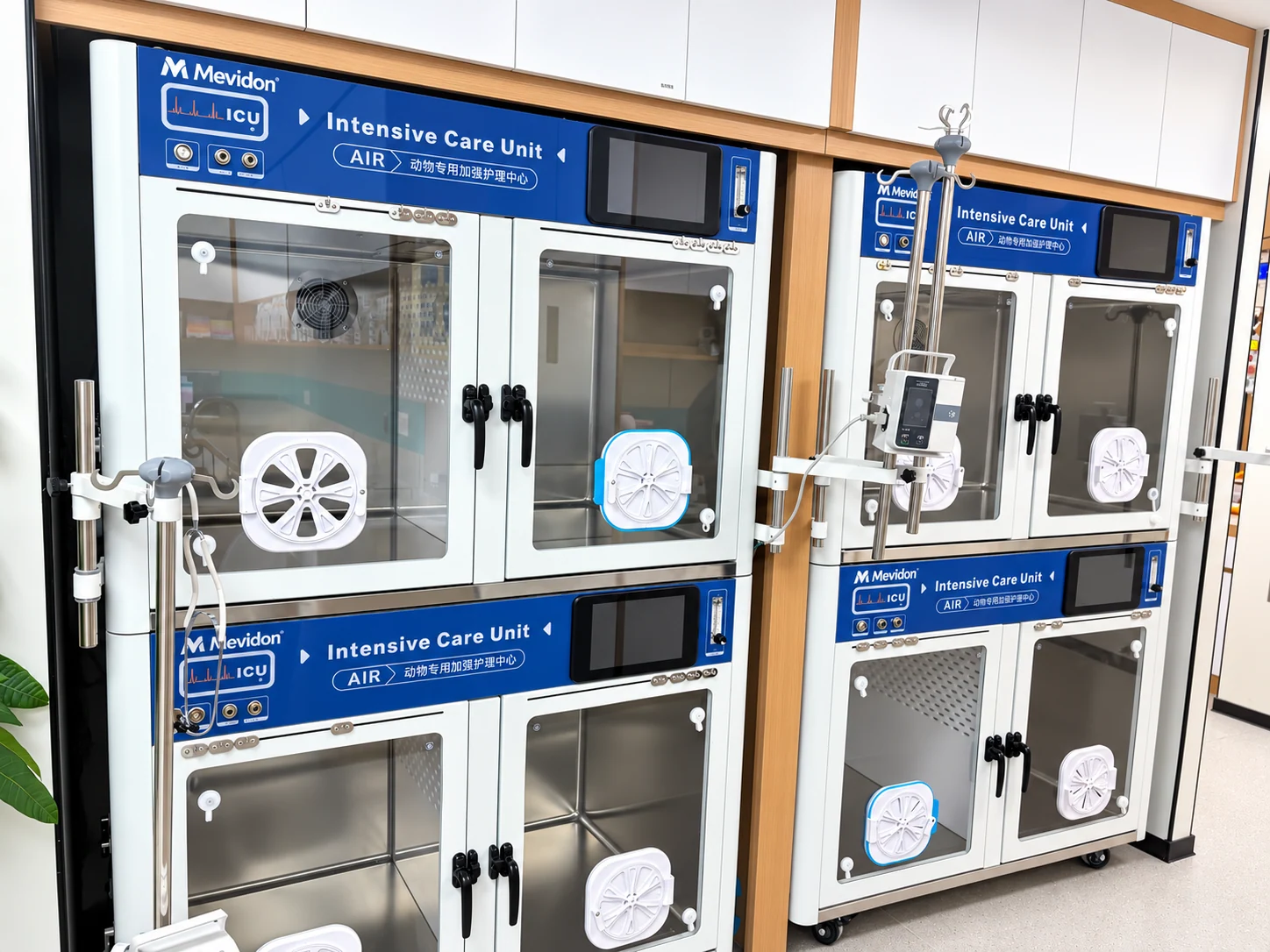
Mevidon oxygen cages installed in an animal diagnosis and treatment center.
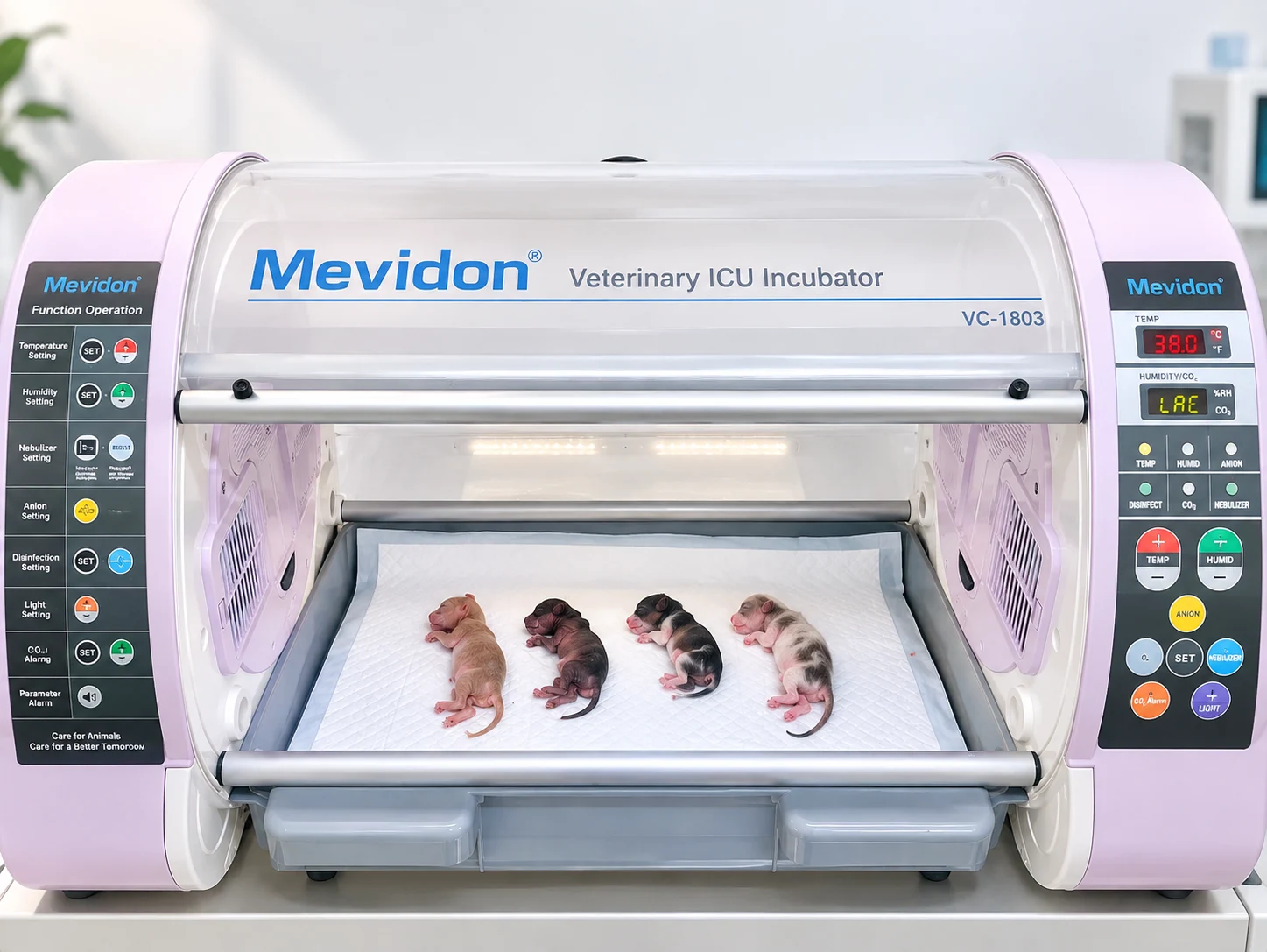
A pet incubator supports newborn-puppy care with real-time parameter display and alarms.
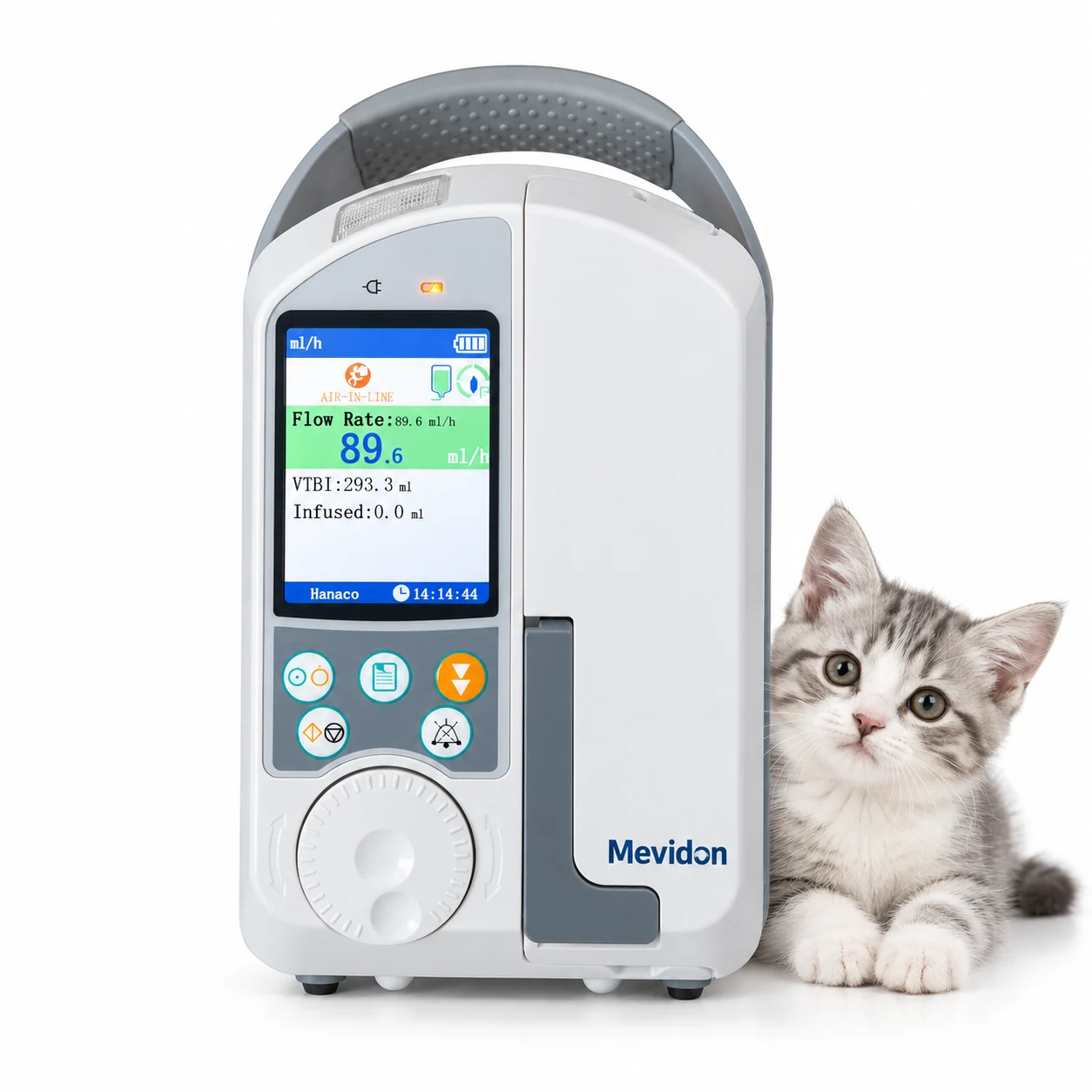
Veterinary infusion pumps support controlled fluid and medication delivery in animal hospitals.
09 · Comparison Table
Compare the primary purpose, patient environment, oxygen support, access and operating requirements.
| Comparison Point | Standard Veterinary Cage | Veterinary Oxygen Cage / ICU Cage | Veterinary Incubator |
|---|---|---|---|
| Primary Purpose | Patient housing and general observation. | Oxygen therapy and supervised supportive care. | Controlled thermal environment for smaller patients. |
| Patient Accommodation | Various sizes for cats and dogs. | Chamber dimensions determine suitable patient sizes. | Often designed for neonatal and small patients. |
| Oxygen Supply | No dedicated oxygen system in standard configurations. | Designed for connection to a specified oxygen source. | Oxygen capability available on selected models. |
| Oxygen Monitoring | Generally not included. | Check actual concentration measurement and automatic control separately. | Monitoring and control depend on configuration. |
| Temperature Management | Usually relies on room conditions or separate warming equipment. | Heating and cooling capabilities vary by model. | Typically emphasizes warming; cooling is not universal. |
| Humidity Management | Generally no integrated humidity functions. | Display, humidification and dehumidification vary independently. | Humidity functions depend on the model. |
| Ventilation & CO2 Management | Open-front designs exchange air with the room. | Uses specified ventilation or CO2-removal mechanisms. | Check air exchange, especially during oxygen use. |
| Patient Access | Direct access through the cage door. | Treatment ports may reduce full-door opening during care. | Access doors and ports vary by design. |
| Environmental Alarms | Usually not included. | Oxygen, temperature and supply alarms depend on configuration. | Temperature and other alarms vary by model. |
| Operating & Maintenance Costs | Mainly cleaning, fittings and general maintenance. | Oxygen, electricity, sensors and model-specific consumables. | Electricity, sensors, accessories and oxygen where applicable. |
10 · Customer Reviews
11 · FAQ
Pricing depends on chamber size, environmental controls and supporting devices. Compare oxygen consumption, electricity, sensor replacement, consumables and servicing alongside the initial quotation.
Choose by required functions rather than product names: oxygen delivery, active cooling, warming, humidity management, patient access and chamber size vary between models.
Compatibility depends on oxygen purity, flow, inlet pressure, chamber volume and simultaneous demand. Confirm performance at the intended concentration rather than comparing flow alone.
Confirm that the display shows measured chamber oxygen, not merely the setpoint. Ask about sensor location, accuracy, calibration and automatic concentration adjustment.
Recovery depends on chamber volume, door-opening duration, oxygen flow and ventilation design. Request measured recovery times under clearly defined, representative operating conditions.
13 · Blog Listing
Six practical guides for anesthesia, critical-care planning and related veterinary equipment decisions.
Choose a veterinary anesthesia machine by patient size, breathing circuit, vaporizer, ventilation, monitoring, scavenging, gas supply and service.
13 min read →Veterinary anesthesiaCompare veterinary and human anesthesia machines by patient range, circuits, ventilation, interfaces, workflow, regulation, scavenging and support.
12 min read →Veterinary ultrasoundChoose a veterinary ultrasound machine by species, exams, probes, Doppler modes, portability, workflow, support and total cost - not headline price alone.
12 min read →Veterinary ultrasoundCompare portable, handheld and cart-based veterinary ultrasound systems by mobility, controls, probes, workflow, service and ownership cost.
11 min read →Veterinary CT and X-rayPlan a veterinary CT scanner purchase around patient size, clinical applications, CT type, room, radiation safety, anesthesia, workflow and service.
13 min read →Veterinary CT and X-rayCompare veterinary CT and digital X-ray by image output, clinical role, radiation planning, anesthesia, throughput, installation and total project scope.
13 min read →We can itemize the selected equipment, included accessories, optional functions, oxygen-supply components and agreed services, making configuration differences clearer before purchase.
We can review patient sizes, available floor space, doorway dimensions, power supply and oxygen connections before finalizing the proposed equipment configuration.
Mevidon can coordinate a combined quotation and review relevant accessories and installation needs, helping your team manage purchasing across multiple veterinary equipment categories.
We can request available manufacturer specifications, operating instructions and relevant test records for the selected model, with test conditions identified where the documentation provides them.
We can provide available documents for review and clarify their manufacturer, model coverage and scope, helping buyers identify documentation gaps before order confirmation.
15 · Warranty Period and After-Sales Service
Veterinary ICU equipment main units and standard accessories are covered for 12 months unless the final quotation states otherwise.
Professional sales engineers help select suitable animal medical equipment and project solutions. Technical engineers support installation and operation according to the agreed scope.
Support can include installation guidance, operation training, workflow guidance, troubleshooting, technical documentation and remote engineer assistance according to the selected project.