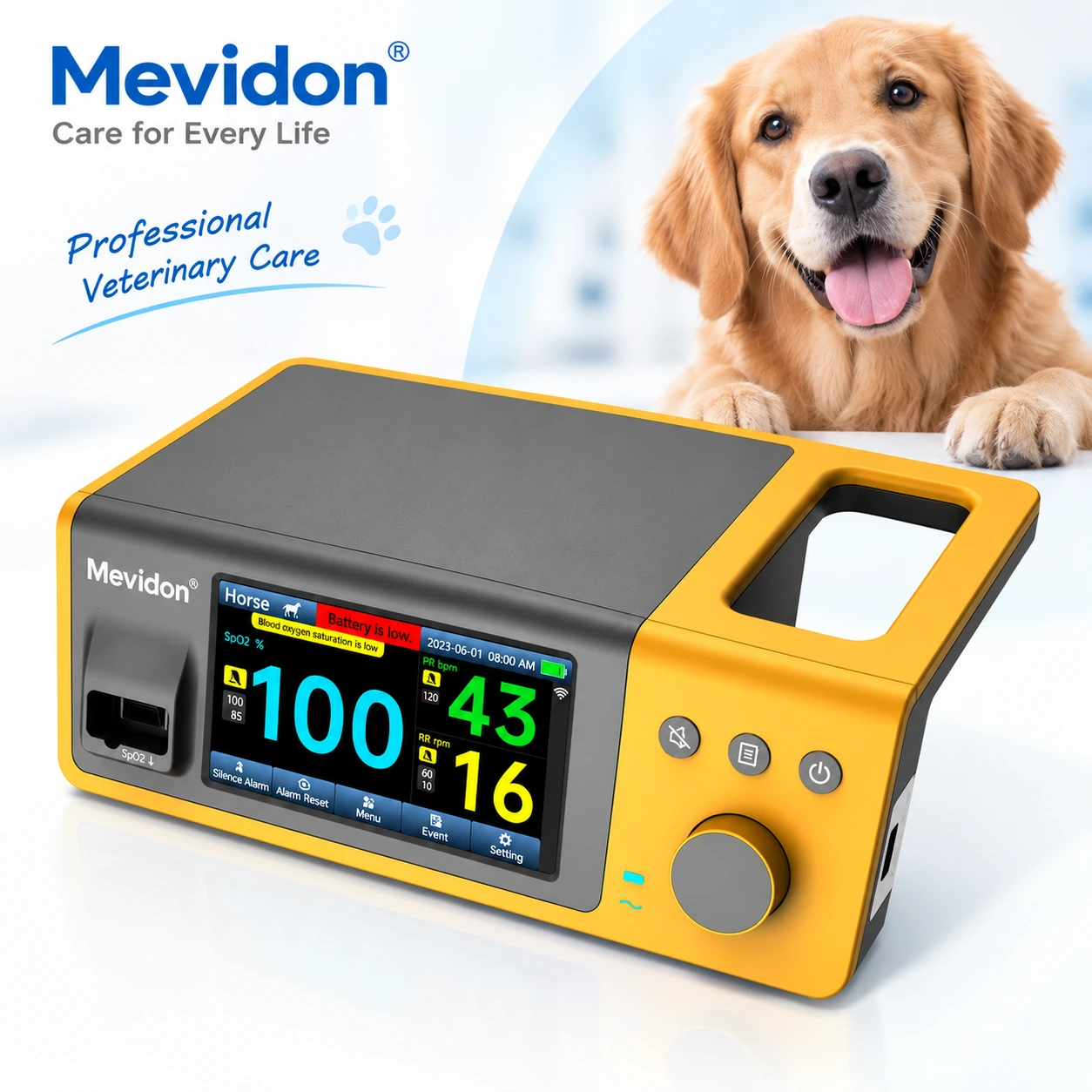
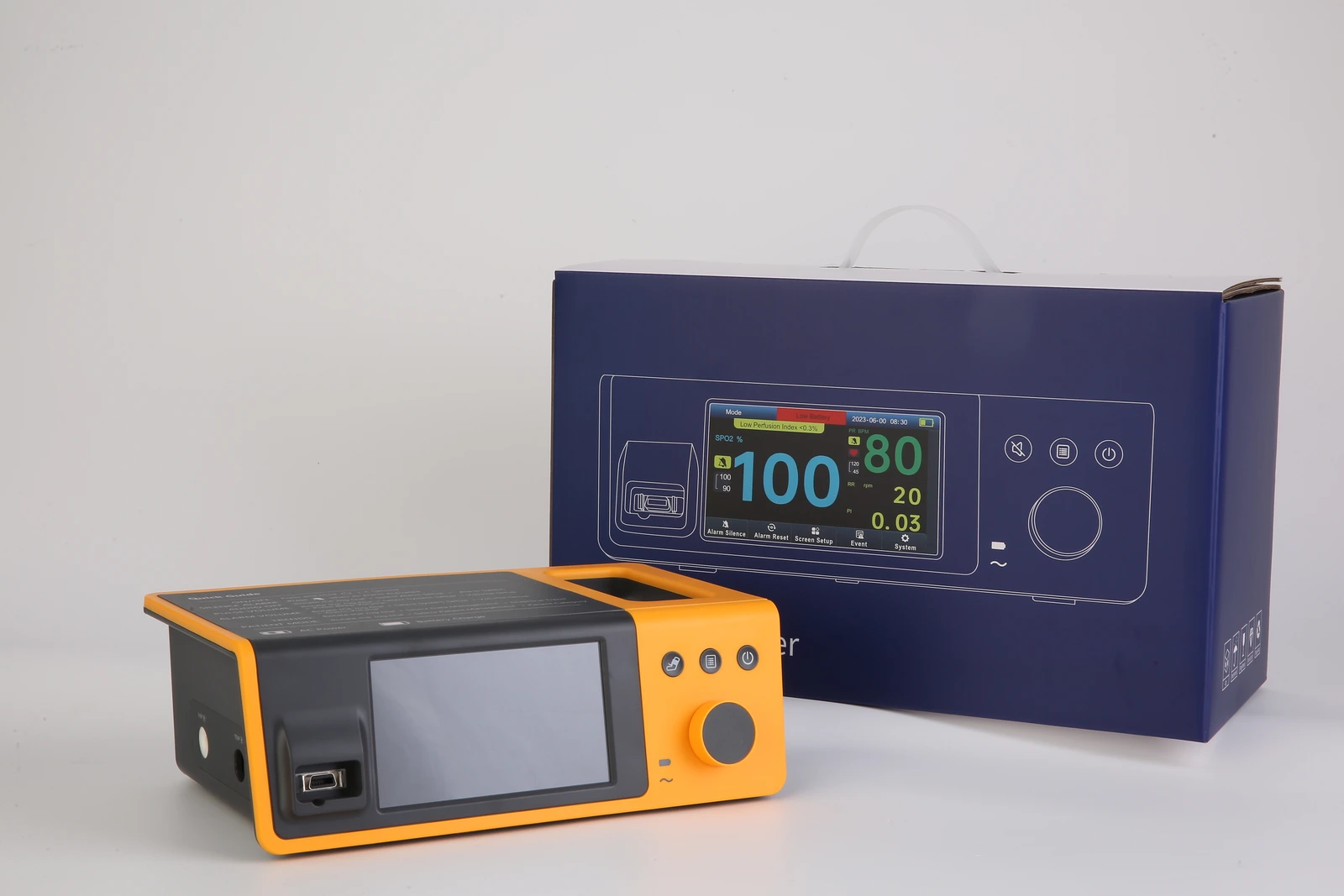
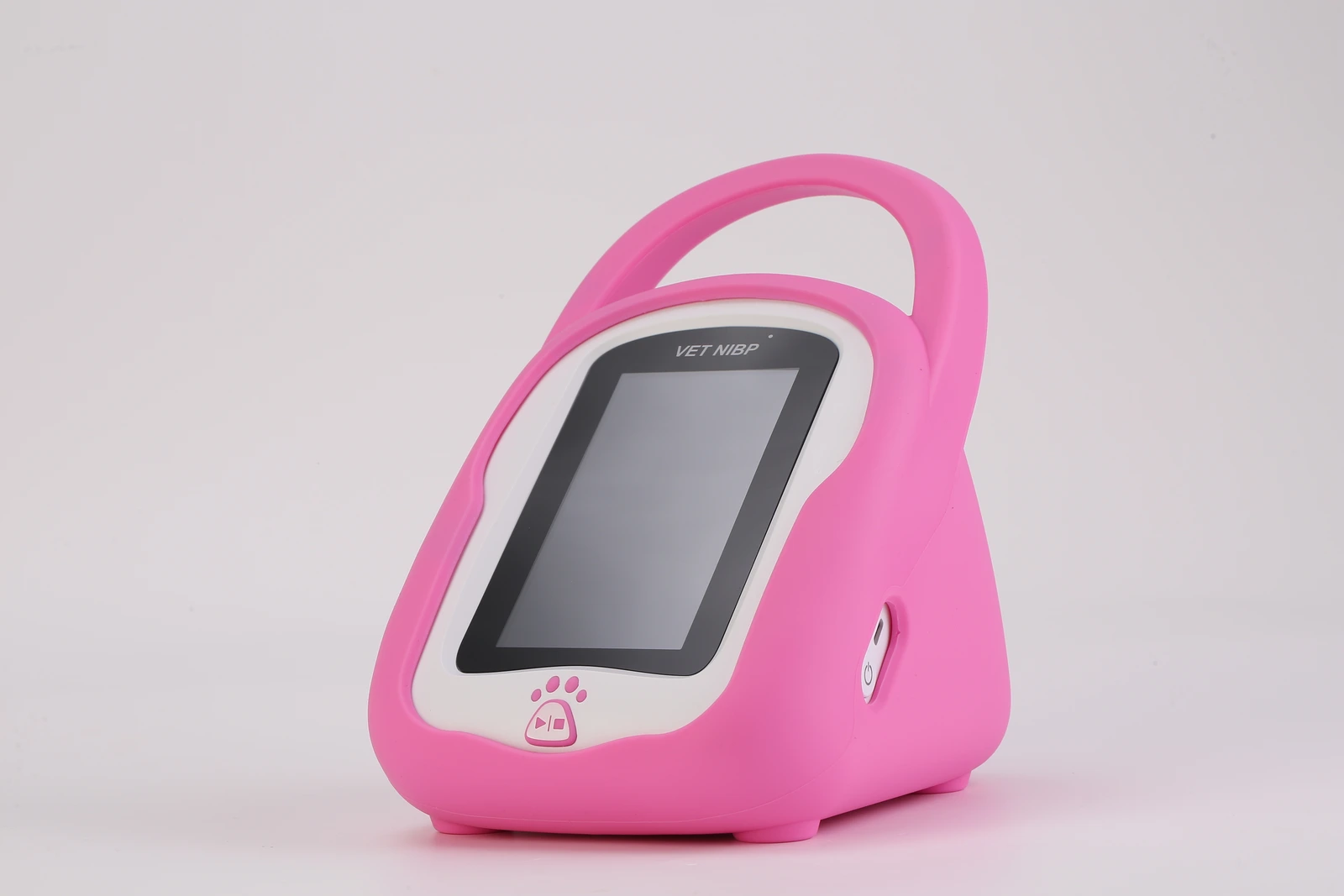
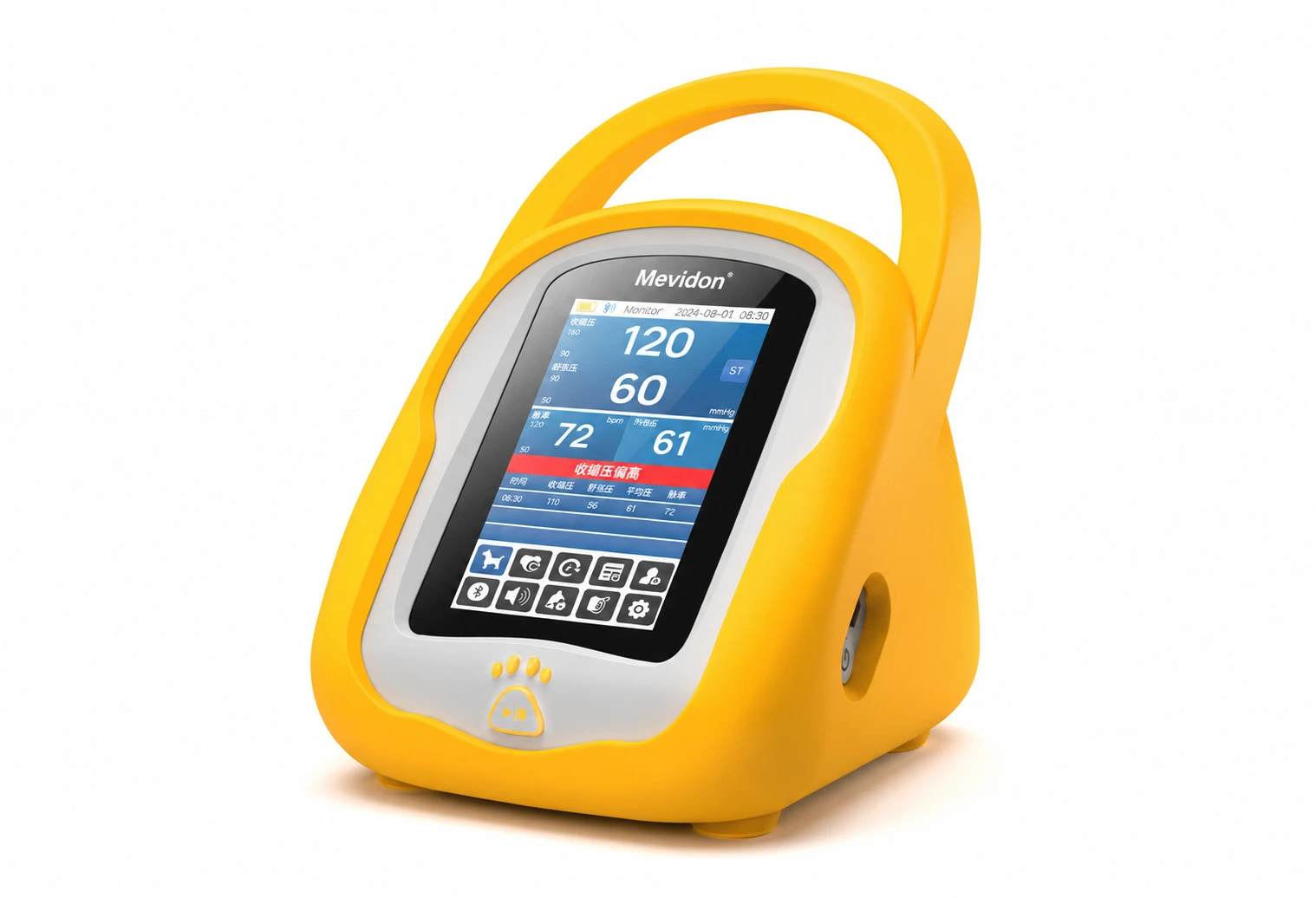
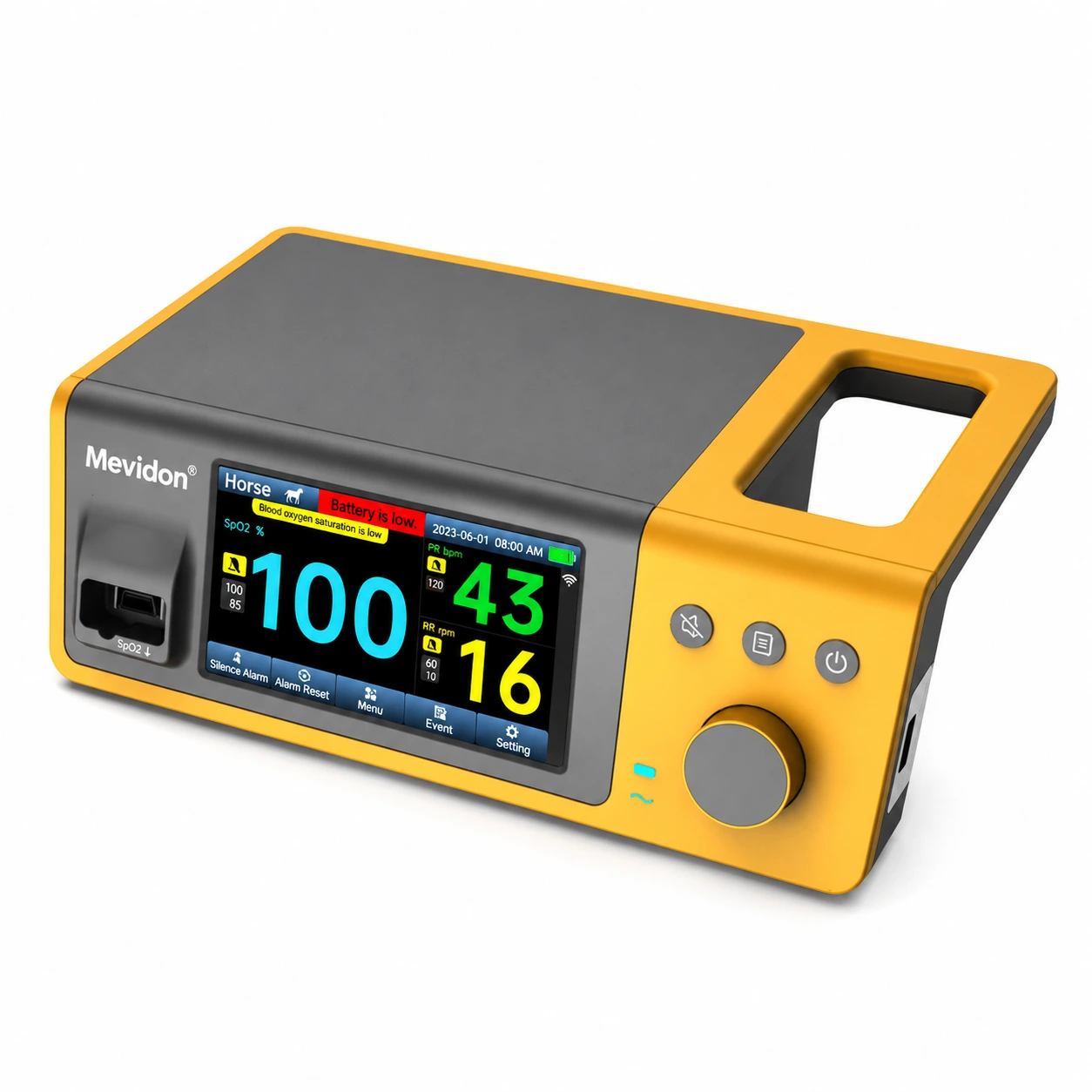
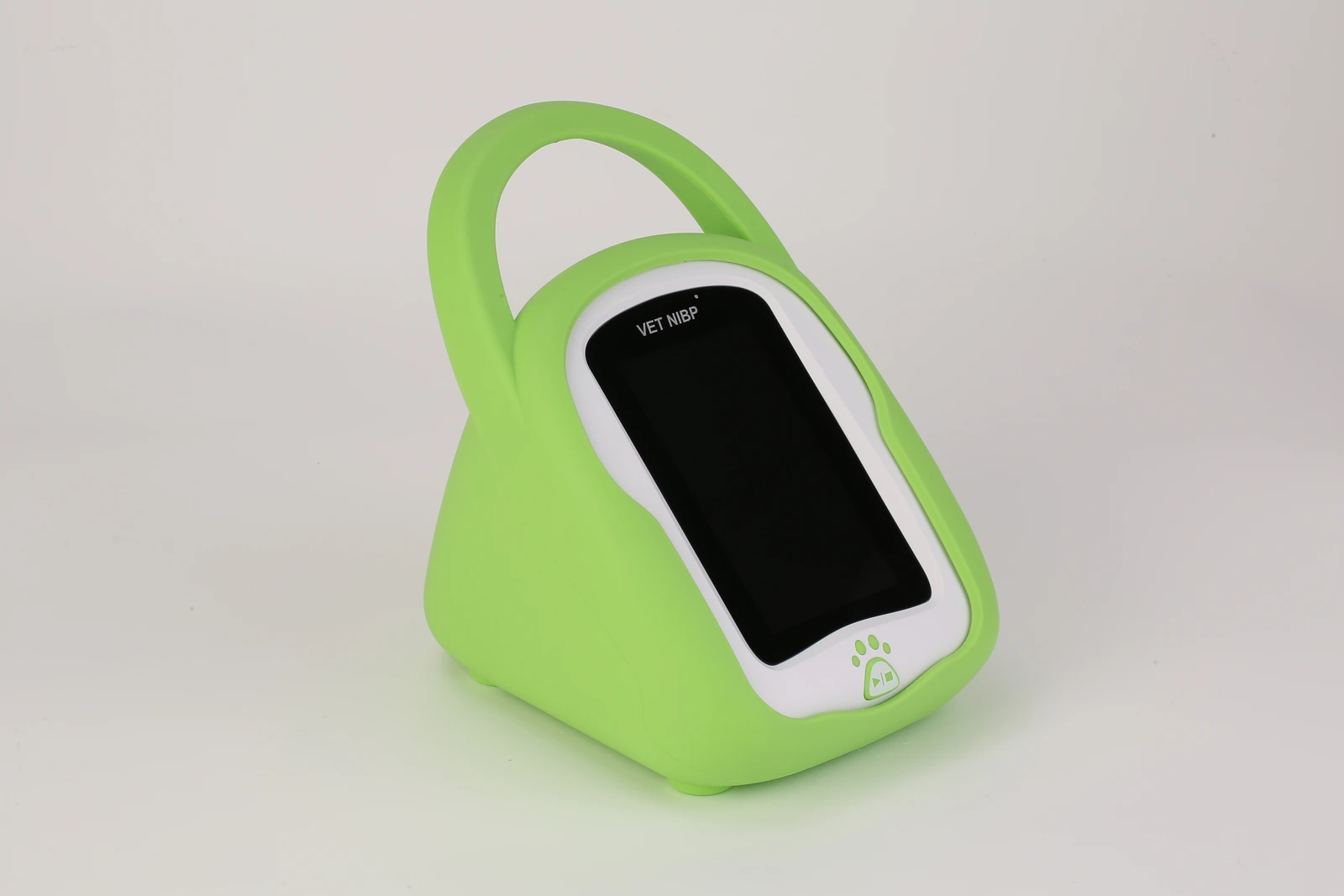
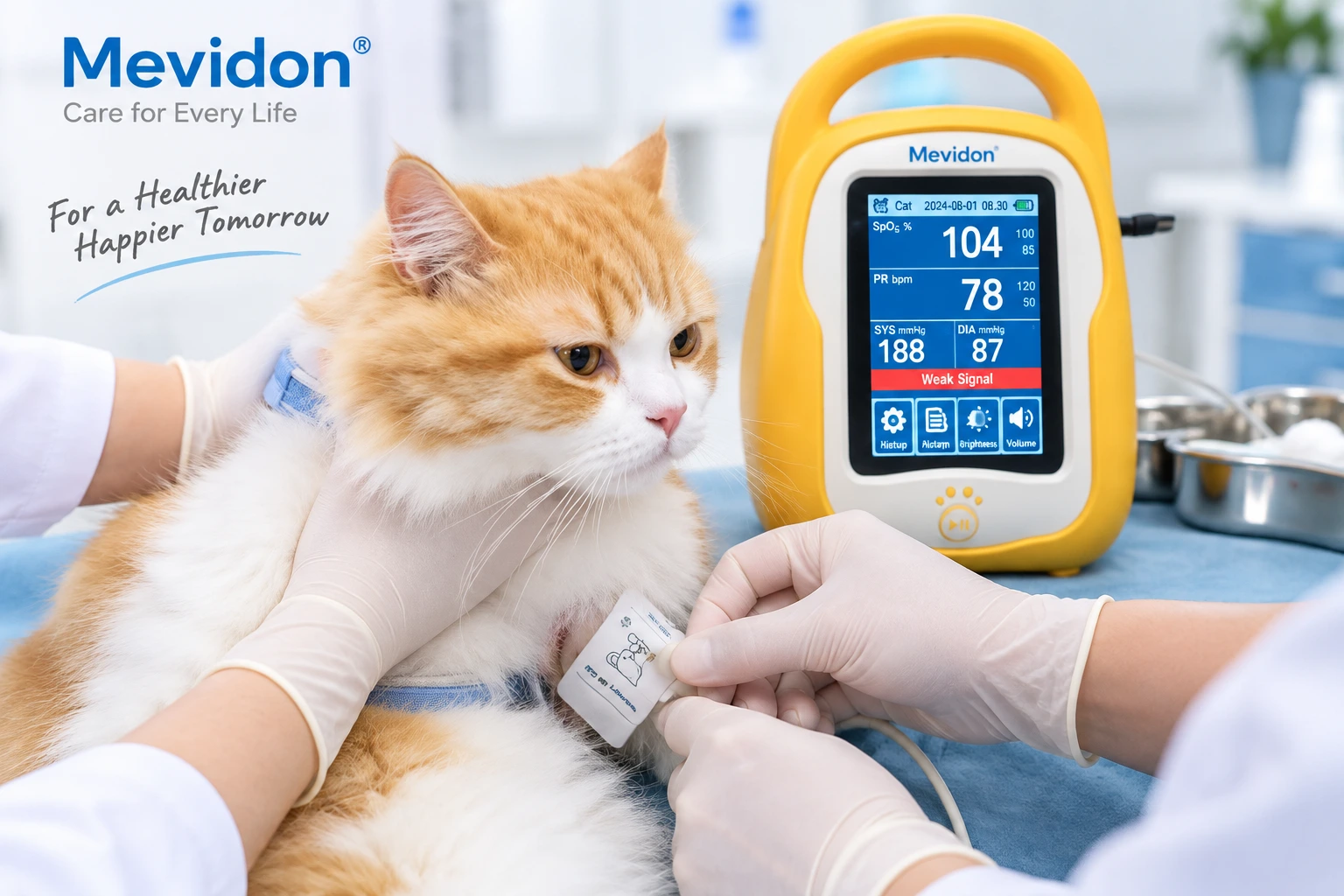
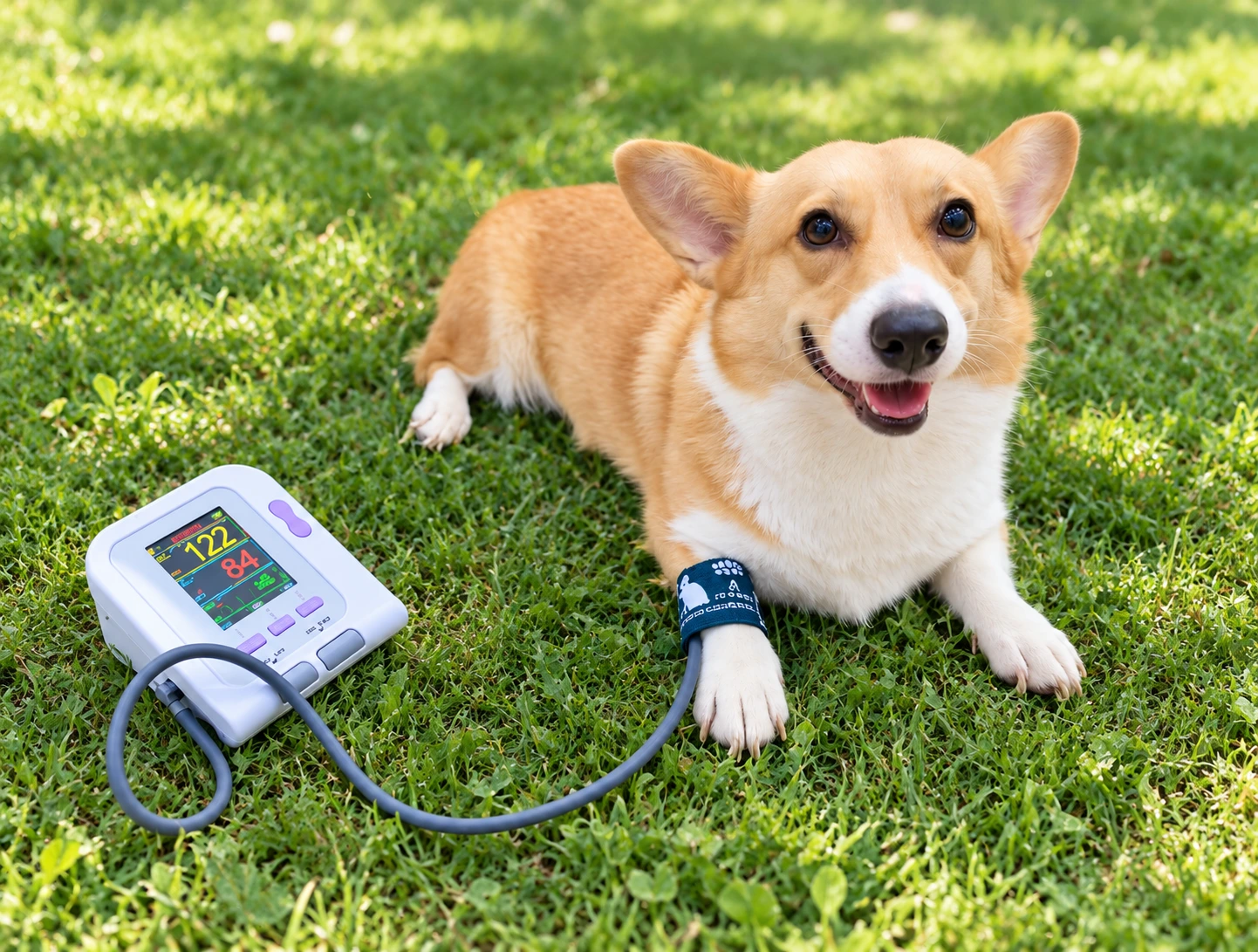
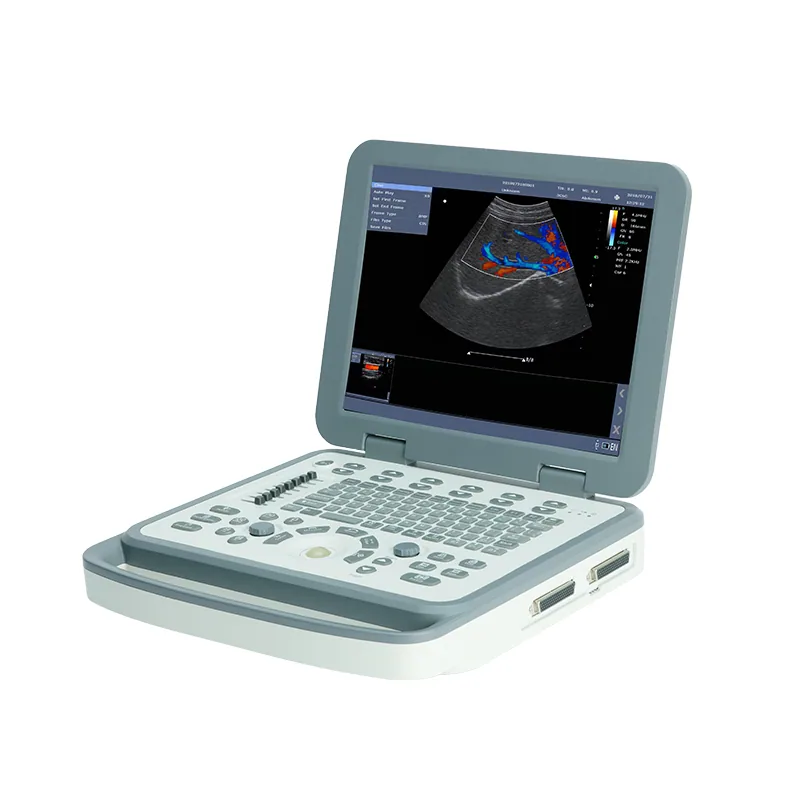
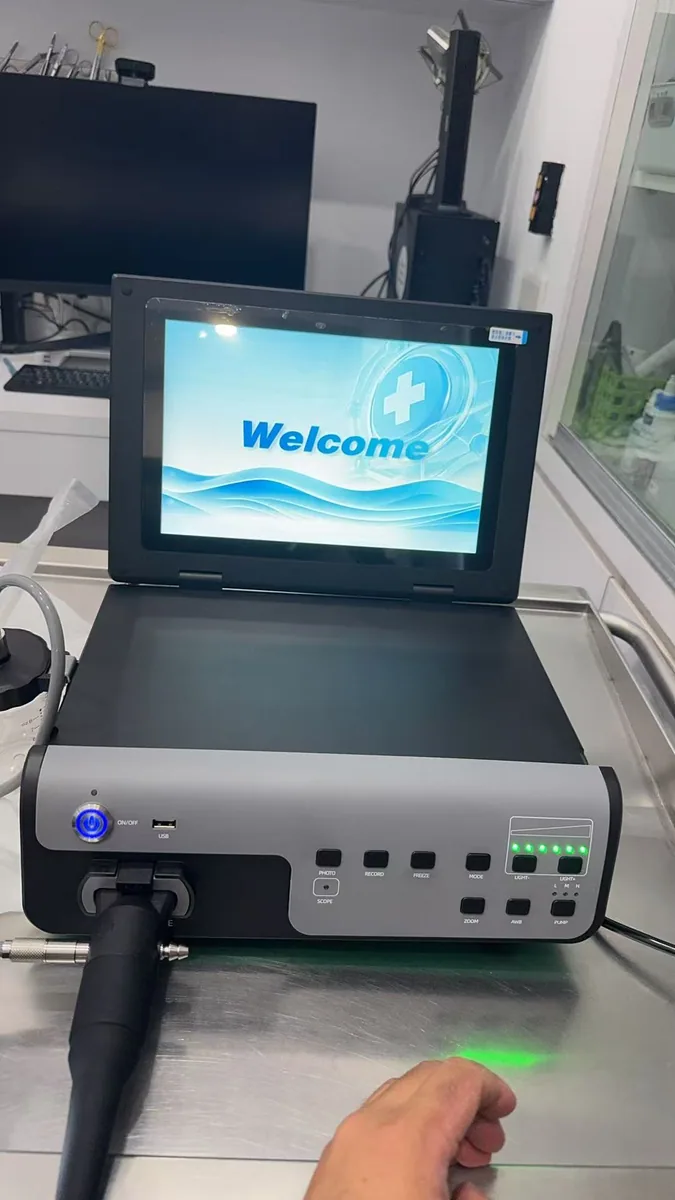
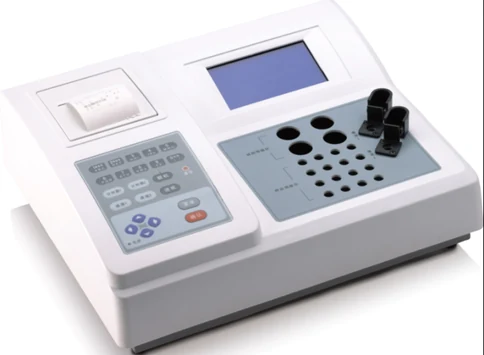
| Main Function | Measures arterial blood pressure to support circulatory assessment. | Estimates peripheral oxygen saturation to support oxygenation assessment. |
|---|
| Parameters Displayed | Oscillometric models typically display systolic, diastolic, and mean pressure; Doppler systems primarily estimate systolic pressure. | Typically displays SpO₂ and pulse rate; waveform and perfusion indicators depend on the model. |
|---|
| Measurement Technology | Uses an inflatable cuff with oscillometric detection or a Doppler probe. | Uses an optical sensor to detect pulsatile blood flow and estimate oxygen saturation. |
|---|
| Clinical Applications | Hypertension screening, blood pressure follow-up, and perioperative blood pressure assessment. | Oxygenation checks during anesthesia, recovery, and care requiring oxygen monitoring. |
|---|
| Problems It Helps Identify | Helps identify elevated or reduced blood pressure requiring clinical assessment. | Helps identify reduced oxygen saturation requiring clinical assessment. |
|---|
| Measurement Frequency | Usually intermittent; automatic measurement intervals are available on selected oscillometric models. | Supports spot checks or continuous readings while an adequate sensor signal is maintained. |
|---|
| Patient Accessories | Requires appropriately sized cuffs; Doppler systems also require a probe and coupling gel. | Requires compatible veterinary sensors suited to the patient and measurement site. |
|---|
| Factors Affecting Readings | Cuff size, positioning, movement, stress, and poor perfusion can affect results. | Movement, poor perfusion, sensor placement, pigmentation, and ambient light can affect results. |
|---|
| Key Purchasing Criteria | Species-specific validation, cuff range, small-patient performance, repeatability, and measurement modes. | Veterinary probe options, signal quality display, motion and low-perfusion performance, and alarm functions. |
|---|